
As an Amazon Associate, we earn from qualifying purchases. This post contains affiliate links – if you buy through them, we may earn a commission at no extra cost to you.
drivers often struggle to choose between ceramic and carbon window tint because they need heat protection and clear vision, yet many listings highlight irrelevant features, focus on looks, or ignore signal interference.
What Actually Matters
Heat Rejection Numbers
Look for Infrared (IR) rejection rates, not just UV blocking. Higher numbers mean a cooler car. Check the listing for specific IR percentages before buying.
Signal Interference
Metal-based tints block radio signals. Both ceramic and carbon are non-metallic. This keeps your phone reception strong. Always verify the material type in the description.
Visibility and Clarity
Dark tint reduces glare but can make night driving hard. Look for “haze-free” or high optical clarity claims. Carbon can sometimes look slightly grainy. Ceramic usually offers sharper vision. Check the Visible Light Transmission (VLT) percentage. Lower VLT means darker glass.
Durability and Warranty
1. RockRose 15% Premium Carbon Car Window Tint Film 20
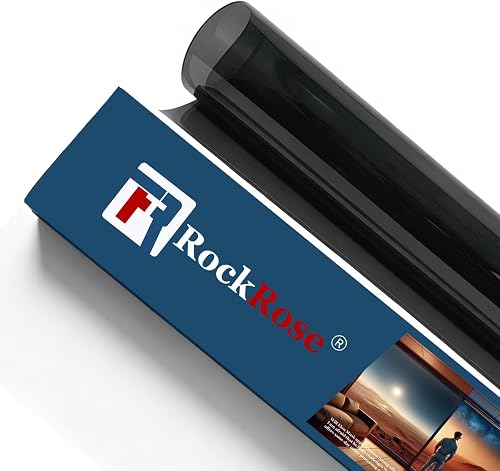
Best for: Drivers wanting style and moderate heat control.
This film uses 2PLY premium carbon construction. It blocks 99% of UV rays and up to 55% of infrared radiation. 55% IR is solid for carbon. You get good privacy with shades like 5% or 15%. But you might trade some heat reduction for that classic dark look.
Pros
- Blocks 99% of harmful UV rays effectively
- Reduces cabin heat by up to 55%
- Easy to shrink and install for beginners
- Offers multiple shade options for customization
Cons
- Less heat rejection than premium ceramic films
- Not ideal for very hot climates
- Standard carbon finish lacks ceramic durability
2. RockRose 5% Nano Ceramic Car Window Tint 36 in x

Best for: Maximum heat rejection without signal loss.
This tint uses nano-ceramic particles embedded in PET. It rejects 90% of infrared rays and 99% of UV rays. 90% IR is higher than carbon. It also guarantees no haze. Your view stays sharp even at night. The non-metalized design protects GPS and phone signals.
It’s perfect for sunny regions where AC usage matters. The 2PLY build adds strength against scratches. You get professional results without pro help.
Pros
- Rejects 90% of infrared heat effectively
- Maintains clear vision with zero haze
- Doesn’t interfere with electronic signals
- Strong 2PLY construction resists scratches
Cons
- Installation requires careful wet application
3. TRUE LINE Automotive DIY Car Window Tinting Kit

Best for: Beginners who hate trimming film.
This kit comes pre-cut for your specific vehicle. You don’t trim excess film. It includes release taps for easier separation. You can choose carbon IRR30 or ceramic IRR80. The ceramic option rejects 80% of heat. That’s a huge jump from standard carbon. Pre-cuts save time.
Pros
- Pre-cut shapes eliminate trimming errors
- Includes tools for easier installation
- Option for high-reject ceramic IRR80
- Saves time compared to roll films
Cons
- Only fits side and rear windows
- Requires exact vehicle match selection
- No windshield film included in kit
- Limited to specific shade choices
4. United Centurion Carbon

Best for: Buyers seeking durable construction and long-term reliability.
This film features dual-layer PET with nano carbon tech. It blocks 99% UV and 30-35% IR. 35% TSER shows decent heat control. It has a scratch-resistant hard coat. That protects against swirl marks during cleaning. The 5% VLT gives deep privacy.
This isn’t for those wanting ultra-dark limo tint. It stops at 5%, which is legal in many places. It’s great for protecting interiors from sun damage. The value comes from its durable build. You get long-term performance without high-end materials.
Pros
- Scratch-resistant hard coat for longevity
- Blocks 99% of UV rays completely
- Good heat control for carbon film
Cons
- Lower IR rejection than ceramic options
- 5% VLT may be too dark for front
- Basic carbon technology limits cooling power
5. Vepagoo Ceramic Car Window Tint Film

Best for: Entry-level ceramic protection.
This 15% VLT film offers balanced privacy. It blocks 99% UV and reduces infrared heat. Nano-ceramic ensures no signal interference. It’s DIY-friendly with video support. The 18-month warranty adds confidence. It’s a safe choice for new tinters. The one-way visibility works well during day.
Pros
- Non-metalized design preserves signal strength
- 18-month warranty covers defects well
- Balanced 15% VLT for day and night
- Video support aids DIY installation
Cons
- Heat rejection specs less detailed online
- 15% shade may not satisfy privacy seekers
- Thinner film may lack robustness
6. TOYOCO 35% VLT Nano Ceramic Car Window Tint Film Roll

Best for: Users needing flexible roll sizes.
This 35% VLT film offers balanced shade. It rejects UV and IR while staying signal-friendly. Heat-shrinkable design simplifies application. You can cut it to any size. Step-by-step videos guide you. It’s great for home or auto use. Nonmetallic build prevents signal issues.
This isn’t for those wanting dark limo tint. 35% VLT allows more light transmission. The flexibility suits various window shapes. You pay for versatility rather than max heat blocking.
Pros
- Flexible roll size fits custom windows
- Nonmetallic build protects signal reception
- 35% VLT complies with strict laws
- Video guidance simplifies wet application
Cons
- 35% VLT offers less privacy than 5%
- Heat rejection figures not explicitly stated
- Requires precise cutting for best fit
7. 2PLY Premium Carbon 5% VLT Window Tint Film

Best for: Heavy-duty privacy needs.
This 20″x100FT roll uses 1.5mil thick carbon film. It blocks 99% UV and up to infrared radiation. The 5% VLT provides maximum privacy. It’s suitable for cars, homes, or offices. Strong substrate prevents shattering. It’s a heavy-duty option for serious protection.
This isn’t for front windshields. It’s not suitable there due to darkness. It’s great for rear windows and sides. The reusable nature saves money. You can practice installation easily. Just remember it needs external adhesive solution.
Pros
- Thick 1.5mil film for durability
- 5% VLT ensures maximum privacy
- Strong substrate aids safety protection
Cons
- Not suitable for front windshields
- Requires separate adhesive solution purchase
- Very dark shade limits night visibility
- Heavy film complicates curved windows
8. United 20% VLT 2PLY Nano Ceramic Pro Window Tint Film

Best for: High-performance heat rejection.
This 20% VLT film rejects up to 95% IR. That’s top-tier performance. It also blocks 99% UV. 2PLY build ensures color stability. It doesn’t fade or turn purple. The non-reflective design looks clean. It’s wet-install friendly for pros.
Pros
- Rejects up to 95% infrared heat
- Color-stable ceramic prevents fading
- Non-reflective finish looks professional
- High clarity maintains safe visibility
Cons
- 20% VLT may be illegal in some areas
- Wet install requires experience
- Heavy film needs skilled handling
9. Diablo SOL X Film

Best for: Energy-absorbing heat control.
This 2-ply film absorbs heat energy. It rejects up to 50% heat and 80% glare. It blocks 99% UV. Self-adhesive backing eases installation. Suitable for commercial use. The tensile strength resists breaking. It’s a robust choice for large surfaces.
Pros
- Self-adhesive backing eases installation
- Rejects up to 80% glare effectively
- High tensile strength resists tearing
- Suitable for both auto and home use
Cons
- 50% heat rejection is moderate
- Glare focus over pure cooling
- Thicker film may bubble if misapplied
- Less popular brand for automotive use
10. Level Precut Tint Kit

Best for: Precision-fit ceramic protection.
This kit uses computer-precision cuts. It matches your vehicle exactly. It rejects up to 98% IR heat. That’s exceptional performance. Ceramic tech prevents fading. It’s professional grade for DIYers. No trimming is needed.
Pros
- Computer-precision cut fits perfectly
- Rejects up to 98% infrared heat
- Ceramic tech prevents purple fading
- Professional grade quality for DIY
Cons
- Custom fit requires accurate ordering
- Limited to specific vehicle models
- No trimming allows no error correction
Who Should Buy Which
The daily commuter should pick RockRose Nano Ceramic for superior cooling. The first-time installer will love TRUE LINE Tinting Kit for its pre-cut ease. The person who wants fewest issues should choose Level Precut Tint Kit for precision. The budget buyer finds value in United Centurion Carbon. Each serves a distinct need based on priority.
Mistakes That Catch Buyers Out
Judging tint solely on UV blocking ignores heat rejection, which affects comfort. Choosing 5% VLT for front windows may violate local laws and blind you at night. Assuming all ceramic films offer equal heat rejection leads to disappointment; check IR percentages. Focusing on the most prominent claim often misses signal interference risks with metalized alternatives.
Frequently Asked Questions
Is ceramic tint better than carbon?
Yes, ceramic typically rejects more heat. It also maintains clarity better. Carbon is cheaper but less effective at cooling. Choose ceramic for hot climates. Pick carbon for style on a budget.
Can ceramic tint interfere with GPS?
No, ceramic is non-metallic. It doesn’t block signals. Metalized tints cause interference. Always verify material type. Ceramic ensures smooth GPS and phone reception.
How long does window tint last?
Quality tint lasts 5-10 years. Cheap dyed film fades faster. Ceramic and carbon last longer. Check warranty terms. Proper care extends lifespan significantly. Avoid abrasive cleaners.
Can I install tint myself?
Yes, DIY kits exist. Pre-cut kits are easiest. Roll films require skill. Use soapy water for sliding. Squeegee out bubbles carefully. Patience ensures professional results.
What is VLT percentage?
VLT measures visible light transmission. Lower VLT means darker tint. 5% is limo tint. 35% is legal in many areas. Check local regulations before buying. Balance privacy with visibility.
Conclusion
So, pick the tint that fits your daily drive. Ceramic keeps you cool without blocking signals, while carbon offers a sleek look. Test samples in your car first to see how they feel. Your comfort matters most, so choose wisely and enjoy the ride.

