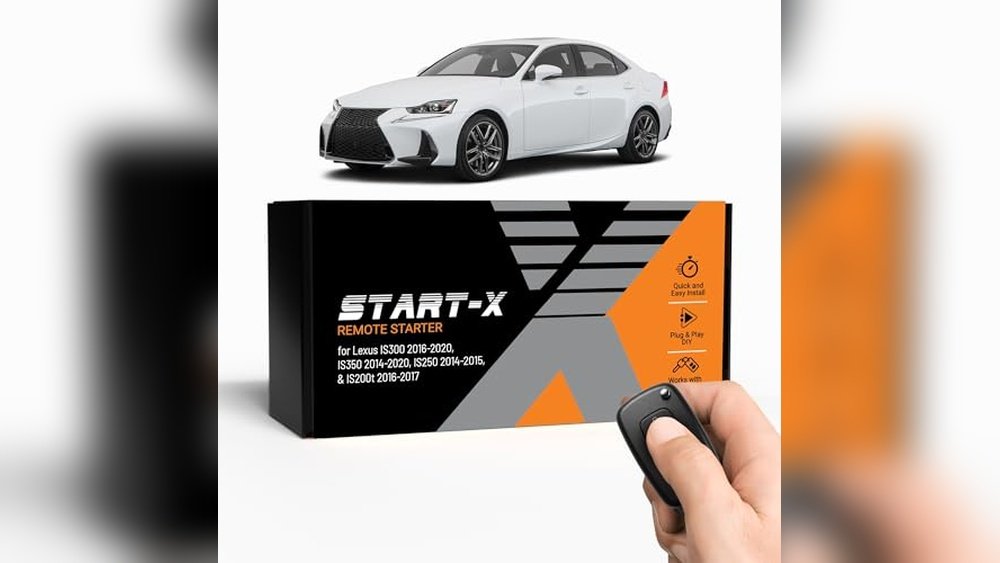
Choosing between the Lexus ES and IS comes down to what you want from a luxury sedan. Most buyers should pick the ES — it’s roomier, softer, cheaper to run, and built for comfort. The IS makes more sense if you want a sportier drive, sharper handling, and a design that feels more like a driver’s car than a lounge.
Which Lexus Luxury Sedan to Choose
The ES and the IS serve two different kinds of buyers, even though both wear the Lexus badge and cost in a similar range. The ES is a front-wheel-drive midsize sedan focused on comfort, quietness, and rear-seat space. The IS is a smaller rear-wheel-drive sedan built around sharper handling and a sportier character.
How the Two Sedans Compare on the Numbers That Matter
These figures describe typical recent model years. Exact specs can shift with the trim and model year, so always check the window sticker or Lexus’s own spec sheet for the car in front of you.
| Lexus ES | Lexus IS | |
|---|---|---|
| Drive wheels | Front-wheel drive (AWD on some years) | Rear-wheel drive (AWD option) |
| Size class | Midsize | Compact |
| Rear-seat room | Very generous | Tight for adults |
| Trunk | Large, wide opening | Smaller, narrower |
| Ride quality | Soft, quiet, relaxed | Firmer, more road feel |
| Hybrid available | Yes | No |
| Character | Comfort cruiser | Sport sedan |
| Best for | Commuting, families, road trips | Solo drivers, enthusiasts |
The practical differences show up in daily use.
Tip: If you regularly drive with two adults in the back, sit behind the driver’s seat during your test drive.
Which One Costs More to Own?
The ES usually wins here, mostly because of the hybrid. Its gasoline-electric system uses much less fuel in stop-and-go traffic. The IS’s performance engines, especially the V8 in the top trim, cost noticeably more to fill.
Insurance and maintenance are broadly similar for both. Tires for the IS’s sportier trims can wear faster and cost more to replace, though.
Is the IS Actually Fun to Drive, or Just Firm?
The IS is genuinely fun, not just stiff. Its rear-wheel-drive layout, quick steering, and balanced weight make it feel alive on winding roads. The trade-off is a firmer ride over broken pavement and more road noise in the cabin.
Which Should You Test Drive First?
Drive both, but start with the one you’re leaning toward.
- Test the ES on a rough local road, not just smooth dealer streets. That’s where its comfort either shows or doesn’t.
- Take the IS on an on-ramp and a curve. You’ll feel the rear-drive balance immediately.
- Sit in the back seat of both if you carry passengers. Bring the actual people if you can.
- Check trunk space with your real-life cargo — a stroller, golf bag, or work bag tells you more than a spec sheet.
- Ask to try the ES hybrid separately from the gas ES. They feel different, and the hybrid’s price premium usually pays back in fuel over several years of city driving.
Frequently Asked Questions
Is the Lexus ES bigger than the IS?
Yes. The ES is a full size class larger — it’s a midsize sedan while the IS is a compact one. If you regularly carry adults in the back, the ES is the clear pick.
Does the Lexus IS come as a hybrid?
No. The IS lineup is gasoline-only, while the ES offers a hybrid version alongside its regular engine. There’s no sign Lexus plans to hybridize the IS in most markets.
Is the Lexus IS or ES better in snow?
Both handle winter fine when fitted with proper winter tires, and both offer all-wheel drive on many trims. The IS’s rear-drive base setup needs winter tires more urgently than the ES’s front-drive layout, which grips more naturally on slick roads. Check whether the specific trim you want offers AWD in your country.
Which holds its value better?
Both hold value well — Lexus consistently ranks near the top of the industry for resale. The ES hybrid tends to attract used buyers who want economy, while the IS appeals to enthusiasts, so both find buyers quickly. Your local market matters more than any national average, so check listings near you.
Are Lexus ES and IS parts expensive?
No. Lexus parts and servicing generally cost less than German luxury rivals like BMW or Mercedes-Benz, and both cars share a strong reliability record. You can verify any specific car’s history with the free NHTSA recall lookup before you buy used.
Conclusion
If you’re still torn after the test drives, let your weekly routine decide: mostly highway miles and passengers points you to the ES, while empty roads and a love of corners points to the IS. Both are safe, well-built choices — the “wrong” one is simply the one that doesn’t match how you actually drive.