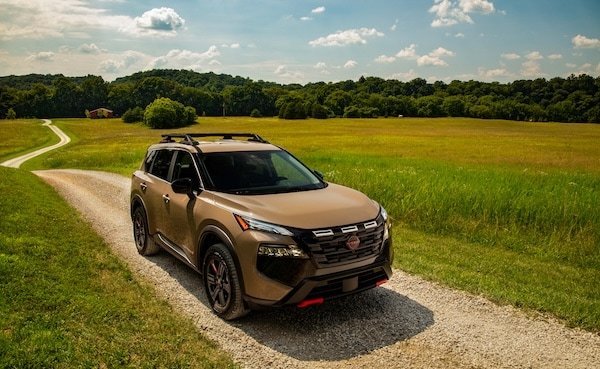
The Nissan Sentra and Nissan Altima sit close in price but in different size classes, and that single fact drives most of the differences shoppers notice. The Sentra is a compact sedan, the Altima a midsize sedan, so the Altima is longer, wider, and roomier while the Sentra is easier to park and cheaper to run. This Nissan Sentra vs Altima comparison covers size, comfort, and features so you can pick the right one.
Key Takeaways
- The Altima is roughly 10 inches longer than the Sentra and rides on a longer wheelbase, which mostly shows up as rear legroom.
- Both sedans seat five, but the Altima’s back seat is genuinely adult-friendly; the Sentra’s is best for kids or short trips.
- The Sentra wins on price, fuel economy, and maneuverability; the Altima wins on interior space, available all-wheel drive, and a more powerful optional engine.
- Both offer Nissan’s Safety Shield 360 driver-assist suite, but the Altima adds available ProPILOT Assist.
- If you regularly carry rear passengers or want AWD, the Altima justifies the jump; if you mostly drive solo, the Sentra is the smarter buy.
How Big Is Each Sedan?
The size gap is the headline. The Sentra measures about 182 inches long, while the Altima stretches to roughly 193 inches. That extra foot goes into the wheelbase and rear seat, not the trunk, which is why the Altima feels noticeably roomier inside.
| Dimension | Nissan Sentra | Nissan Altima |
|---|---|---|
| Length | ~182 in | ~193 in |
| Width | ~71.5 in | ~72.9 in |
| Wheelbase | ~106.5 in | ~111.2 in |
| Seating | 5 | 5 |
| Trunk space | ~14.3 cu ft | ~15.4 cu ft |
The width difference is small, but the wheelbase difference is what you feel on the road and in the back seat.
Which One Is More Comfortable?
Comfort favors the Altima, and it isn’t close for rear passengers. The longer wheelbase smooths out bumps, and the extra legroom means adults can sit behind adults without knees touching seatbacks. The Sentra’s front seats are comfortable for commuting, but the rear bench is tight for anyone over about 5’10”.
Ride quality also separates them. The Altima’s larger footprint and available 19-inch wheels on upper trims give it a more settled highway feel. The Sentra rides firm but fine for city driving.
Pro Tip: If you carry car seats, bring them to the test drive. The Altima’s wider rear door opening makes loading far easier than the Sentra’s.
What Features Does Each Offer?
Both cars share Nissan’s core tech, but the Altima gets the premium options. Every Sentra and Altima includes an 8-inch touchscreen, Apple CarPlay, Android Auto, and the Safety Shield 360 bundle (automatic emergency braking, blind spot warning, rear cross traffic alert, and more).
The Altima adds available features the Sentra doesn’t offer:
- ProPILOT Assist for highway steering and adaptive cruise
- Available all-wheel drive
- A more powerful 2.5-liter or turbocharged VC-Turbo engine
- Larger available touchscreen and premium audio
The Sentra counters with lower trims that still include the safety suite, so you get modern assistance without paying for a higher tier.
Engine, Fuel Economy, and AWD
The Sentra uses a 2.0-liter four-cylinder making about 149 horsepower, paired with a CVT and front-wheel drive only. The Altima starts with a 2.5-liter four-cylinder (about 188 hp) and offers an optional turbocharged engine plus available AWD.
| Factor | Sentra | Altima |
|---|---|---|
| Base engine | 2.0L, ~149 hp | 2.5L, ~188 hp |
| Drivetrain | FWD only | FWD or AWD |
| Combined MPG | ~33-34 | ~31-32 |
| Fuel type | Regular | Regular |
The Sentra’s fuel economy advantage is real but modest. If you drive in snow, the Altima’s available AWD is the deciding feature.
Which Should You Buy?
Choose the Sentra if you drive mostly alone or with one passenger, want the lowest price and best fuel economy, and park in tight spaces. Choose the Altima if you regularly carry rear passengers, want AWD, or prefer a more powerful engine.
The price gap is usually a few thousand dollars, so the decision comes down to whether you need the space. For a full breakdown of official specs, Nissan publishes detailed dimensions and feature lists for each model.
Related guides
- Top 5 Atv Car Seat Reviews for Comfort and Safety in 2024
- Top Car Seat on ATV Reviews for Safety & Comfort 2024
Frequently Asked Questions
Is the Altima bigger than the Sentra?
Yes. The Altima is about 10 inches longer and rides on a roughly 5-inch-longer wheelbase, making it a midsize sedan versus the Sentra’s compact classification. That extra length translates mainly into rear legroom and a slightly larger trunk.
Is the Sentra cheaper than the Altima?
Generally yes. The Sentra starts at a lower price and its top trims often cost less than a mid-level Altima. Both are among the more affordable sedans in their classes, but the Sentra consistently undercuts the Altima.
Does the Nissan Sentra come with all-wheel drive?
No. The Sentra is front-wheel drive only. If you want AWD in a Nissan sedan, you need to step up to the Altima, which offers it on certain trims.
Which gets better gas mileage, Sentra or Altima?
The Sentra generally returns slightly better combined fuel economy because it’s smaller and lighter with a less powerful engine. The gap is small, usually one to three miles per gallon, and narrows with the Altima’s base engine.
Is the Altima worth the extra money?
It depends on your passenger needs. If you frequently carry adults in the back or want AWD and a stronger engine, the Altima’s extra cost is justified. For solo commuting, the Sentra delivers most of the same tech for less.
Do both cars have the same safety features?
Both include Nissan Safety Shield 360 as standard, covering automatic emergency braking, blind spot warning, and rear cross traffic alert. The Altima adds available ProPILOT Assist, which the Sentra doesn’t offer.
Conclusion
Start by measuring your actual rear-seat needs: sit in the back of both at a dealership with the front seat set to your driving position, then decide whether the Altima’s extra space and available AWD are worth the higher price.