Choosing between an ATV and a UTV comes down to what you’ll carry and who’s riding: an ATV (quad) suits a solo rider doing fast, tight trails, while a UTV (side-by-side) suits work, passengers, and hauling — it’s the safer and more practical pick for families and property jobs.
Which Vehicle Fits Your Off-Road Needs?
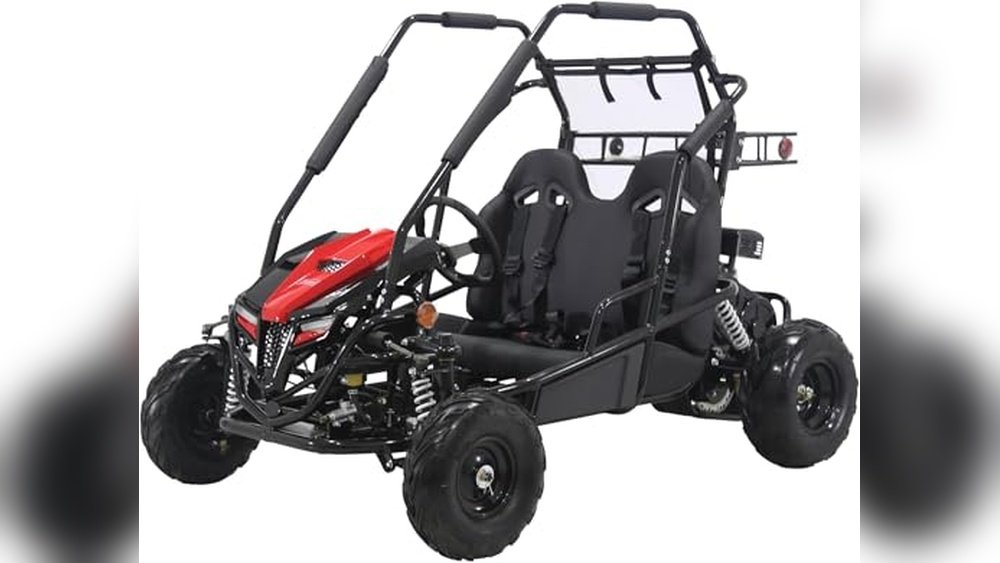
An ATV is a small open four-wheeler steered with handlebars. It carries one rider and a light load. A UTV has a steering wheel, pedals, seat belts, a roll cage, two to six seats, and a cargo bed.
| Feature | ATV | UTV |
|---|---|---|
| Seating | 1 rider (a few models take 2) | 2–6 passengers |
| Controls | Handlebars, straddle seat | Steering wheel, pedals, seat belts |
| Cargo | Rear racks, roughly 100–300 lb | Cargo bed, often 300–1,000+ lb |
| Towing | Light loads | Heavier trailers and implements |
| Speed on trails | Faster, more agile | Slower, more stable |
| Cost | Usually cheaper | Usually more expensive |
| Storage | Fits in a truck bed | Often needs a trailer |
Choose an ATV if you ride alone, want speed and agility on narrow trails, have a small budget, or need something light enough to toss in a pickup.
Which One Is Safer for Families?
A UTV is generally the safer choice for carrying passengers, because it has seat belts, a roll cage, and a stable wheelbase. ATVs are designed for one active rider who shifts body weight. The ATV safety guidance from the CPSC makes clear that riders should never carry a passenger on a one-person ATV and that children should only ride machines sized for them.
Tip: If kids will ride, check the manufacturer’s minimum age and engine size recommendations for the exact model before you buy.
What About Cost, Maintenance, and Storage?
ATVs usually cost less up front and less to run: smaller engines use less fuel, and there are fewer parts to service. UTVs cost more to buy and insure, but many hold value well because they double as work equipment.
Storage is a real difference people underestimate. Measure your truck bed and garage before you decide — the vehicle that doesn’t fit your storage quietly becomes the vehicle you can’t use.
Maintenance on both is similar in kind: oil changes, air filter cleaning (dusty trails clog them fast), brake checks, and tire pressure. A UTV adds more brakes, more suspension parts, and sometimes a differential, so service costs run somewhat higher.
Can a UTV Do Everything an ATV Can?
Not quite. A UTV handles most of the same terrain, but it’s wider and longer, so tight wooded trails, narrow gates, and steep sidehills can stop it where an ATV slips through. Check the UTV’s width — many sport models run 50–64 inches wide — against the gates and paths you actually use.
The reverse is also true: an ATV can’t replace a UTV for work. You can strap a cooler to a rear rack, but you can’t haul a pallet of feed or bring three friends to the far side of the property.
Common Buyer Mistakes
Buying for what you might do, not what you do now
The classic error is buying a big UTV “for the family” when the family rides once a year. List your real uses from the last year. If hauling or passengers appear more than twice, get the UTV; if neither appears, the ATV saves you money.
Skipping the test sit
Seat height, legroom, and handlebar or wheel reach vary a lot between models. Sit in it, reach the controls, and check you can stand the ATV up on its footrests if needed.
Forgetting the extras
Helmets, a trailer, winches, and plows aren’t included in the sticker price. Budget for gear from day one, because riding without a helmet is the mistake that costs the most.
Related guides
- 10 Essential ATV Safety Gear Picks Every New Rider Should Know About
- Hyundai Sonata vs Elantra: Which Sedan Fits Your Needs?
- BMW 330i vs BMW 340i: Which Fits Your Driving Needs?
Frequently Asked Questions
Is an ATV or UTV better for beginners?
A UTV is usually easier for a total beginner. Either way, start on flat, open ground at low speed and take a safety course.
Can you ride an ATV on the street?
In most US states, no — ATVs and UTVs are off-road vehicles by default. Some states allow limited road use with registration, lights, and mirrors. Check your state’s motor vehicle agency website before riding on any public road.
Do ATV and UTV riders need a license or insurance?
A driver’s license isn’t always required on private land, but many states require one for public-land riding, and some require ATV registration and safety certification for young riders. Insurance isn’t always legally required, but check your state’s rules and your homeowner’s policy, which often excludes off-road vehicles.
Which holds its value better?
UTVs generally hold resale value well because they serve as work vehicles with a steady market among landowners. Sport ATVs depreciate faster, especially heavily used ones.
Can kids ride these vehicles?
Yes, with limits. The CPSC advises that children under 16 ride only age-appropriate youth models, never adult machines. Youth ATVs and UTVs come with speed limiters and smaller frames.
Conclusion
Whichever machine you lean toward, rent or borrow the other one for a weekend before you commit — a single day hauling with a UTV or threading trails on an ATV tells you more than any spec sheet. Then buy for the riding you actually do, not the riding you imagine.