As an Amazon Associate, we earn from qualifying purchases. This post contains affiliate links – if you buy through them, we may earn a commission at no extra cost to you.
Purchasing a Ferrari 458 Italia is an ambitious goal, yet the process often leads buyers into avoidable traps. Many shoppers overlook critical mechanical history in favor of superficial details. This guide identifies the essential inspection steps and expert documentation needed to avoid purchasing a vehicle with significant, hidden technical issues.
What Buyers Get Wrong
Ignoring Model-Specific Service History
Many buyers assume all sports cars share the same maintenance needs. Always prioritize records that show the specific service intervals for this engine rather than general oil change receipts.
Relying on Cosmetic Appearance
A clean exterior often masks deeper mechanical issues. You must look for signs of heavy track use or improper storage, which affect long-term reliability more than the condition of the leather seats.
Steps to Inspect Used Ferrari 458 Italia Reliability
Many people believe they can spot every fault during a test drive. You should always use a guide to prepare a list of questions for a professional, independent mechanic.
Underestimating Documentation Gaps
Sellers often omit past repairs or accident reports. A complete paper trail is the only way to verify the true state of the vehicle.
What Did Not Make the List
We excluded dozens of generic car guides that lacked depth regarding high-performance or exotic vehicles. We focused on guides that provide a structured approach to inspection, ensuring you have a clear plan before you see the car.
1. Ferrari 458 Buyers Guide

Avoids the trap of: Ignoring model-specific service history by focusing on 458-specific needs.
This guide is built for those who want to understand the unique quirks of this specific mid-engine Italian supercar.
The listing doesn’t mention the contents of this guide. It sticks strictly to the 458, which is great for precision but lacks advice for other car brands.
Pros
- Dedicated focus on the 458 model
- Clear structure for easier inspection
- Highlights specific mechanical trouble spots
Cons
- Doesn’t cover general car maintenance
- Limited to this specific V8-powered platform
2. Illustrated Ferrari Buyer’s Guide

Avoids the trap of: Relying on cosmetic appearance by using visual aids.
It suits buyers who prefer visual learning over long lists of text.
If you need step-by-step repair instructions, this isn’t the right choice for that task.
Pros
- Helpful visual inspection references
- Covers a broad range of Ferrari models
- Easy to follow during an onsite visit
Cons
- Lacks deep technical repair data
- Visuals may not replace a mechanic
3. Used Car Buyer’s Handbook

Avoids the trap of: Underestimating documentation gaps by providing record-keeping tips.
It’s best for the buyer who wants a broad, professional approach to the whole buying process.
Pros
- Excellent for checking vehicle history
- Covers dealer negotiation tactics
- Applicable to many vehicle types
Cons
- Not specific to Ferrari 458
- Broad focus reduces model depth
4. How to Inspect Used Cars

Avoids the trap of: Skipping the professional inspection by teaching you how to prepare.
It’s a practical tool for anyone who wants to feel more confident during a test drive. It suits the hands-on buyer who wants to do the initial work themselves.
Pros
- Very practical, actionable advice
- Good for initial self-screening
- Simplifies complex inspection steps
Cons
- General advice, not model-specific
- Lacks exotic car nuances
5. Ultimate Used Car Inspection

Avoids the trap of: Buying someone else’s neglected maintenance issues by identifying red flags.
It’s a great choice for the cautious buyer who is worried about long-term ownership requirements.
Pros
- Logical, step-by-step inspection flow
- Helps detect hidden car issues
Cons
- No focus on exotic car history
6. No-Mechanic’s Inspection Guide
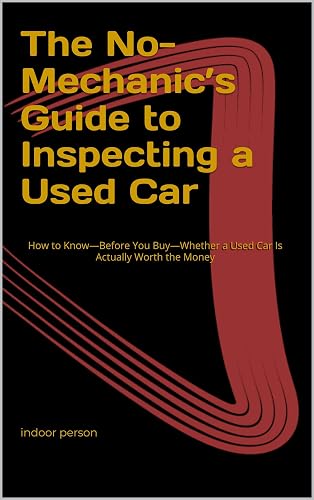
Avoids the trap of: Skipping the professional inspection by providing clear checklists.
This book is written for those without a mechanical background who still want to be thorough. It explains how to judge the value of a car before you commit to the purchase.
The language is kept simple to assist non-experts, which might feel basic to a pro.
Pros
- Very easy to understand
- Clear checklists for buyers
- Helps determine real car value
Cons
- Lacks complex technical depth
- Too simple for professional mechanics
7. Used Auto Checklist

Avoids the trap of: Underestimating documentation gaps by keeping you organized.
It keeps your inspection organized so you don’t miss any important steps. It’s perfect for the buyer who is easily distracted by the excitement of a new car.
Pros
- Keeps the inspection process organized
- Easy to use during a visit
- Prevents missing critical items
Cons
- No detailed explanation of faults
- Limited to a checklist format
8. Used Car Reliability Guide

Avoids the trap of: Ignoring model-specific service history by using reliability data.
It’s great for the buyer who prioritizes long-term mechanical reliability over everything else.
Pros
- Focuses on long-term reliability
- Highlights safety-related inspection points
- Useful for comparing vehicle trends
Cons
- Not specific to the 458
- Lacks hands-on inspection tips
Before You Order
- Check the National Highway Traffic Safety Administration website for any open recalls on the specific vehicle year.
- Measure the tire tread depth to ensure the car has been maintained properly.
- Confirm that all service logs match the VIN and the mileage shown on the dash.
- Verify that the electronic systems, especially the transmission and suspension, operate without warning lights.
A common mistake is ignoring the service history of a high-performance engine. Using a specialized guide helps you verify the car’s true health before you sign.
Related guides
Frequently Asked Questions
Is the simplest one on this list enough?
A simple checklist is a good starting point, but it isn’t enough for a complex supercar.
What if it turns out to be the wrong one?
If a guide doesn’t fit your needs, don’t force it. Use it for the general inspection tips, but always supplement it with professional advice from a shop that knows Ferrari engines.
What gives out or runs out first?
Consumables like tires, brake pads, and clutches often show wear first. Always check these parts, as they require frequent replacement and tell a story about how the car was driven.
Which trap catches most people twice?
Most buyers fall for the “cosmetic trap” of a shiny car hiding a neglected engine. Always look under the hood and check the service records, as these are the only things that truly matter for reliability.
Conclusion
Owning this car shouldn’t feel like a constant gamble. Once you’ve verified the service records, don’t hesitate to schedule a professional pre-purchase inspection at a trusted specialist shop. It’s the smartest way to ensure your investment stays on the road, where it belongs, so you can finally enjoy the drive.