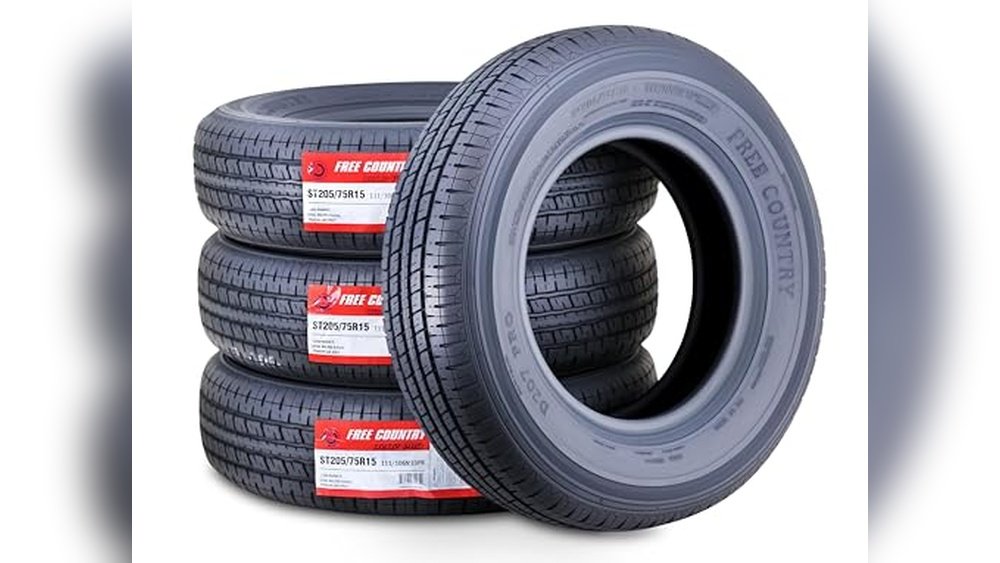
Reading tire size numbers tells you the width, the height of the sidewall, the wheel it fits, and its load and speed limits, which is what you need to choose the right replacement. You’ll find this string on every tire sold in the US.
How to Read the Numbers on a Tire Sidewall
- Find the size string. Look for something like 225/60R16 on the sidewall. This is the size you’ll match when buying.
- Read the first number as width. 225 means the tire is 225 millimeters wide at its widest point, measured across the sidewall. A wider number means a wider tire.
- Read the second number as a percentage. 60 means the sidewall is 60% as tall as the tire is wide. Lower numbers mean a shorter, sportier sidewall.
- Read the letter R. It stands for radial, the standard build for passenger cars. Almost every modern tire uses it.
- Read the last number as wheel diameter. 16 means the tire is built to mount on a 16-inch wheel. This must match your rim exactly.
- Check the load index. A number like 95 tells you how much weight one tire can carry. Never go below your car’s requirement.
- Check the speed rating. A letter like H or V shows the maximum speed the tire is rated to sustain under its load. Match or exceed what your car’s placard lists.
- Find the DOT date code. The last four digits show the week and year it was made. A tire sitting for years is a real concern.
What Do the Numbers on a Tire Actually Mean?
Each number describes one physical measurement, so reading them in order tells you the tire’s exact shape and fit. Your car’s door placard lists the sizes and ratings the manufacturer approves, and the National Highway Traffic Safety Administration publishes tire safety and labeling rules that explain what each marking must show.
Tire Size Chart: What Each Number Tells You
| Marking | What It Means | Example | Effect of a Higher Number |
|---|---|---|---|
| 225 | Width in mm | 225 | Wider tread |
| 60 | Sidewall height as % of width | 60 | Taller sidewall |
| R | Radial build | R | Standard on cars |
| 16 | Wheel diameter in inches | 16 | Fits a bigger rim |
| 95 | Load index | 95 | Carries more weight |
| H | Speed rating | H | Higher safe speed |
How Long Do Replacement Tires Last?
Most tires last for years of normal driving, or until the tread wears down to 2/32 of an inch.
Tip: To check tread depth without a gauge, put a penny upside down in the groove. If you can see all of Lincoln’s head, the tire has reached the legal minimum and must be replaced.
What Size Tire Can I Put on My Car?
You can usually move one size up or down in width, but the load index and speed rating must meet or beat your car’s placard.
Mistakes That Cost You Money on New Tires
Why does my new tire rub the wheel well?
A tire that’s too wide or too tall hits the inner fender when you turn. Return it and go back to the approved size.
Why did my speedometer read wrong after new tires?
A different overall diameter changes how many times the wheel turns per mile. Staying close to the original size avoids this.
Why does my car pull to one side after new tires?
This usually means the tires weren’t balanced or the alignment is off. Have both checked at the shop.
Why is my new tire noisy?
A more aggressive tread pattern or a wider size makes more road noise.
When to Fix It Yourself vs Go to a Shop
Buying and matching tire sizes is something you can do yourself by reading the placard and the sidewall. Mounting, balancing, and installing the tire on the rim is shop work. If a tire has a sidewall cut, a bulge, or exposed cords, replace it — don’t drive on it. Never try to repair a tire with internal damage yourself.
Related guides
Frequently Asked Questions
Can I mix tire sizes on the same car?
No, not on the same axle. Different sizes on one axle cause uneven handling and wear. All four tires should match for safety.
What does the load index number mean?
It’s a code for how much weight one tire can carry at full pressure. A higher number means more capacity. Never fit a tire with a lower index than your car requires.
How old is too old for a tire?
Replace tires once they have aged even if the tread looks fine, and sooner if you see cracks. Rubber ages and weakens over time.
Can I use a different speed rating?
You can go higher, but never lower than the placard lists. A lower rating can overheat at highway speeds.
Do I need to replace all four tires at once?
On all-wheel drive, yes, because mismatched sizes strain the system. On two-wheel drive, replacing in pairs on the same axle is fine.
Conclusion
When you’re ready to buy, write down the full size string and the load and speed ratings from your door placard, then match them at the shop. That one step prevents almost every fitment problem.