As an Amazon Associate, we earn from qualifying purchases. This post contains affiliate links – if you buy through them, we may earn a commission at no extra cost to you.
Dealing with a Jeep Check Engine Light: Common Causes and Solutions can be frustrating, especially when you aren’t sure if the issue is a minor sensor glitch or a major mechanical failure. Having the right tools helps you decide between a professional mechanic or a DIY fix. The VDIAGTOOL VD10 is the top pick for its clear code definitions and live sensor data.
What Actually Matters
Real-time Data Access
A basic reader only shows a code, but live data lets you see how your engine behaves while running. This helps spot issues like sluggish sensors or misfires before a warning light triggers. Always check if a scanner supports live graphical data.
Database Size
The number of stored diagnostic trouble codes (DTCs) determines identification capacity. A larger database provides definitions for rare manufacturer-specific codes. You can check this by comparing the number of built-in definitions listed on the packaging.
Ease of Use
Choose a tool that is easy to navigate. Look for shortcut keys for I/M readiness and code clearing. A clear, backlit screen is vital for low-light visibility.
Compatibility
Confirm the device supports your vehicle’s computer protocols. According to the Environmental Protection Agency, the OBD-II system is a standardized requirement for all light-duty vehicles sold in the US since 1996 to monitor emissions-related components.
1. VDIAGTOOL VD10 OBD2 Scanner Check Engine Code Reader Car Diagnostic

Best for: Beginners wanting instant code definitions and live data.
The VDIAGTOOL VD10 is for beginners. It plugs into your OBDII port to retrieve generic and manufacturer-specific codes. It displays definitions on its screen, so you won’t need to search online.
It is a solid choice for home users monitoring engine status. It is strictly for engine diagnostics and cannot clear ABS or SRS codes.
Pros
- Displays code definitions on screen
- No batteries or charging required
- Includes 5-year warranty
- Supports multiple languages
Cons
- Doesn’t clear airbag codes
2. Check Engine Light Decoded

Best for: Understanding the theory behind warning lights.
This guide explains how OBD-II systems work. It helps you understand engine issues before replacing parts. It helps you distinguish between urgent and non-urgent issues.
Pros
- Clear, step-by-step instructions
- Focuses on diagnostic logic
- Great for beginners
Cons
- No physical diagnostic hardware included
3. Automotive Sensor Diagnostics
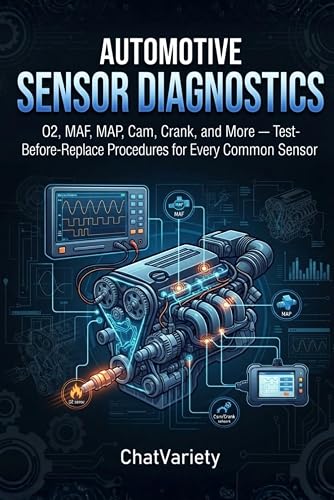
Best for: Advanced troubleshooting of specific engine sensors.
This book helps identify failing sensors if you already own a scanner. It focuses on test-before-replace procedures to avoid unnecessary purchases.
Pros
- Detailed sensor testing steps
- Covers O2, MAF, and MAP
- Prevents unnecessary part replacements
Cons
- Requires existing diagnostic knowledge
4. Fix Your Own Car
Best for: DIYers looking to save time on repairs.
This resource connects codes to practical solutions. It helps bridge the gap between reading a code and performing the fix.
Pros
- Combines codes with solutions
- DIY-focused repair advice
Cons
- Not a standalone diagnostic tool
5. Check Engine Light Diagnosis

Best for: A gentle introduction to vehicle diagnostics.
This beginner-friendly overview explains OBD-II codes simply.
Pros
- Very accessible language
- Covers basic vehicle systems
Cons
- Lacks depth for complex issues
6. Check Engine Light On

Best for: Creating a pre-repair checklist.
This guide helps verify if a repair is necessary.
Pros
- Focuses on pre-repair verification
- Simplifies the diagnostic process
Cons
- Doesn’t help with physical scanning
7. Check Engine Light Basics

Best for: Quick reference on the go.
This book is a handy reference for what to check first. It helps avoid unnecessary shop visits by highlighting simple issues like loose gas caps.
Pros
- Quick and easy to read
- Saves money on simple fixes
Cons
- Limited in scope for major repairs
8. MOTOPOWER MP69040 Car OBD2 Scanner Check Engine Fault Code Reader
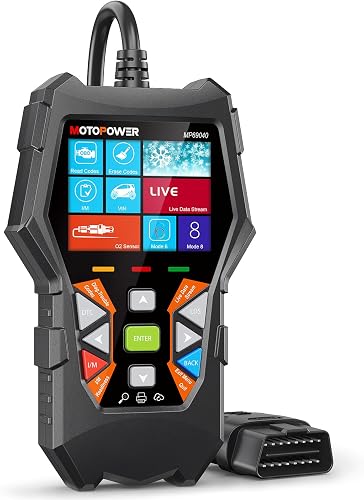
Best for: Users needing a huge code database and fast results.
The MOTOPOWER MP69040 is 6 times faster than other OBD coders. Its massive database of over 100,000 codes makes it highly reliable for identifying obscure issues. It generates mobile reports for mechanics.
This is for dedicated hobbyists. Verify your car type before buying to ensure it supports the necessary OBDII protocols.
Pros
- Huge 100,000+ code database
- Fast operation speed
- Generates reports via mobile
- Lifetime free updates
Cons
- Not for hybrid vehicles
9. OBD2 Scanner for Jeep

Best for: Jeep owners needing specific compatibility.
This scanner is tailored for Jeep owners, specifically the Grand Cherokee models from 2016 onwards. Its rugged housing is great for roadside emergencies. It provides critical performance data like engine speed and coolant temperature.
Pros
- Durable, compact design
- Easy-to-use shortcut keys
- Great for Jeep Grand Cherokee
Cons
- Less versatile for non-Jeep owners
10. AUTOPHIX 3210 OBD2 Scanner

Best for: Users who want a modern, app-based interface.
The AUTOPHIX 3210 uses a Bluetooth connection to turn your phone into a powerful dashboard. It provides live data that factory gauges often hide, such as throttle position and spark advance.
Pros
- Free, ad-free mobile app
- Real-time engine dashboard
- Lifetime free updates
Cons
- Can’t clear ABS codes
Who Should Buy Which
If you own a Jeep Grand Cherokee, the OBD2 Scanner for Jeep is your best match for compatibility and ruggedness. Beginners who want a simple, standalone device should choose the VDIAGTOOL VD10. Tech-savvy users who enjoy app-based interfaces will prefer the AUTOPHIX 3210, while those who want the most exhaustive database for complex troubleshooting should go with the MOTOPOWER MP69040. For those who need to learn the basics, any of the guidebooks like Check Engine Light Decoded will serve you well.
Common Jeep Check Engine Light Mistakes
- Assuming every scanner can clear non-engine codes like ABS or SRS airbags.
- Buying a device that does not support the specific OBDII protocols required by your vehicle.
- Ignoring the need for a scanner with live data, which is essential for diagnosing intermittent engine issues.
- Believing that a code scanner alone will tell you exactly which part to replace without further testing.
The VDIAGTOOL VD10 OBD2 Scanner is the best choice for most users because it offers a perfect balance of ease and functionality.
Frequently Asked Questions
Will a scanner fix the problem?
No, a scanner only identifies the problem by reading error codes. You must perform the actual repair yourself or take the vehicle to a professional to resolve the underlying mechanical issue.
Can I use these scanners on any car?
Most scanners work on US OBDII vehicles since 1996. However, always check the specific product listing to ensure it supports your vehicle’s make, model, and year.
Do I need a subscription for these tools?
Most tools offer lifetime free updates or apps. Always read the product details to confirm there are no hidden monthly fees.
What is I/M readiness?
I/M readiness confirms if emission monitors completed self-tests. This is crucial for passing state smog inspections.
Can I clear a check engine light permanently?
Clearing the light won’t stop it from returning if the issue remains. Scanners are diagnostic aids, not permanent fixes.
Conclusion
Don’t let a warning light ruin your next off-road adventure. If you’re still feeling unsure after checking the codes, it’s best to schedule an appointment with a trusted local shop. Getting a professional opinion early on will keep your vehicle running smoothly and help you avoid more expensive repairs down the road.