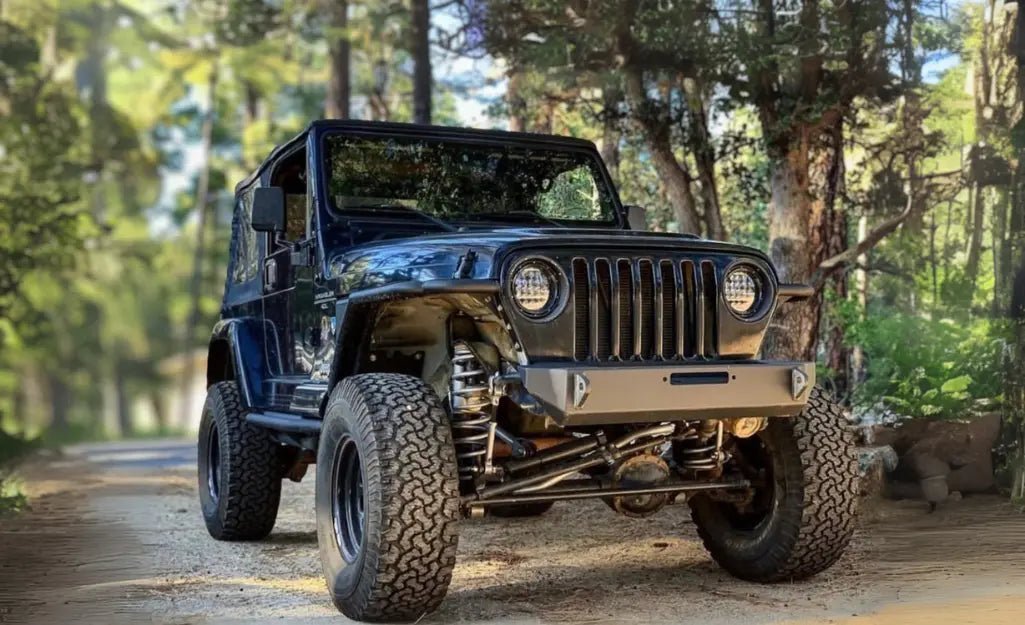
The Jeep Grand Cherokee is the bigger, more expensive SUV, while the Cherokee is the smaller, cheaper one. The Grand Cherokee seats 5 and offers a third row in some versions; the Cherokee seats 5 only. Both are Jeep SUVs, but they sit in different size classes, so they compete for different buyers.
What Actually Separates These Two SUVs?
The Grand Cherokee is a mid-size SUV. The Cherokee is a compact SUV. That one fact explains most of the differences below — the price gap, the cabin space, the towing limits, and how each one feels to park.
Jeep has used the Cherokee name on two very different vehicles. The current Cherokee (2014–2023) is a compact crossover. The Grand Cherokee is a separate, larger model that’s still sold new. If you’re shopping used, check the model year first, because the name alone won’t tell you the size.
Jeep Grand Cherokee vs Cherokee: Key Differences in Numbers
| Feature | Grand Cherokee | Cherokee |
|---|---|---|
| Size class | Mid-size | Compact |
| Seating | 5 (some trims add a third row) | 5 |
| Cargo space behind rear seats | More | Less |
| Max towing (V6) | Around 6,200–7,200 lbs | Around 4,500 lbs |
| Base engine | V6 | 4-cylinder |
| Fuel economy | Lower | Higher |
| Price when new | Higher | Lower |
| Off-road trims | Trailhawk, plus others | Trailhawk |
The towing figures are the ones buyers ask about most. A properly equipped Grand Cherokee with the V6 pulls far more than a Cherokee can, which matters if you tow a boat or a camper. Always check the door-jamb sticker on the exact vehicle — towing depends on engine, axle ratio, and whether a tow package was fitted.
Tip: Never trust a towing number from an ad. The rating changes with the engine and options, so read the sticker on the driver’s door frame.
Which One Is Bigger Inside?
The Grand Cherokee is wider and longer, so rear passengers get more legroom and the cargo area swallows more luggage. The Cherokee is easier to fit into tight parking spots and narrow garages.
If you regularly carry three adults in the back or haul camping gear, the Grand Cherokee’s extra space is the reason to pay more. If it’s mostly you and one passenger around town, the Cherokee’s smaller body is a real advantage — it’s simpler to park and cheaper to run.
Is the Grand Cherokee Worth the Extra Money?
Yes, if you tow, carry a full load often, or want the larger cabin. No, if you mostly drive alone in the city — the Cherokee does that job for less.
The Grand Cherokee costs more to buy, more to insure, and more to fuel, because it’s heavier and has a bigger engine. The Cherokee gives up space and towing to win on running costs. Neither is “better” — they solve different problems.
A trade-off worth naming: the Grand Cherokee’s size that makes it comfortable on long trips is the same size that makes it awkward in a crowded parking garage. You can’t get one without the other.
Where the Cherokee Falls Short
The Cherokee’s smaller engine means slower acceleration when loaded, and its lower tow rating rules out heavy trailers. Cargo space runs out fast on a family trip. If you need a third row, the Cherokee doesn’t offer one at all.
Which One Should You Choose?
Choose the Grand Cherokee if you tow, need maximum space, or want a third-row option. Choose the Cherokee if you want lower running costs, easier parking, and don’t need heavy towing.
Related guides
Frequently Asked Questions
Is the Grand Cherokee bigger than the Cherokee?
Yes. The Grand Cherokee is a mid-size SUV and the Cherokee is a compact SUV, so the Grand Cherokee is longer, wider, and taller.
Can the Cherokee tow as much as the Grand Cherokee?
No. A V6 Grand Cherokee tows far more than any Cherokee. Check the door-jamb sticker on the exact vehicle, because towing depends on engine and options.
Does the Grand Cherokee have a third row?
Some Grand Cherokee versions offer a third row, but the standard model seats five. If you need seven seats, confirm the specific trim before buying, since not every Grand Cherokee has it.
Is the Cherokee cheaper to own?
Usually yes. The Cherokee costs less to buy, uses less fuel, and often costs less to insure because it’s smaller and lighter.
Are they both good off-road?
Both offer a Trailhawk trim built for rough trails, but the Grand Cherokee’s larger size and available engines give it an edge for heavy off-road use.
Which is better for a family?
The Grand Cherokee fits a family more easily thanks to its larger cabin and extra cargo room. The Cherokee suits a small family around town. Test-fit your actual car seats and strollers before deciding.
Conclusion
Before you decide, take both for a test drive and picture your daily routine behind the wheel. If you often carry extra people or gear, you’ll likely prefer the larger model. Otherwise, the smaller one may suit you just fine.